Electronic Manufacturing Services of PCBA

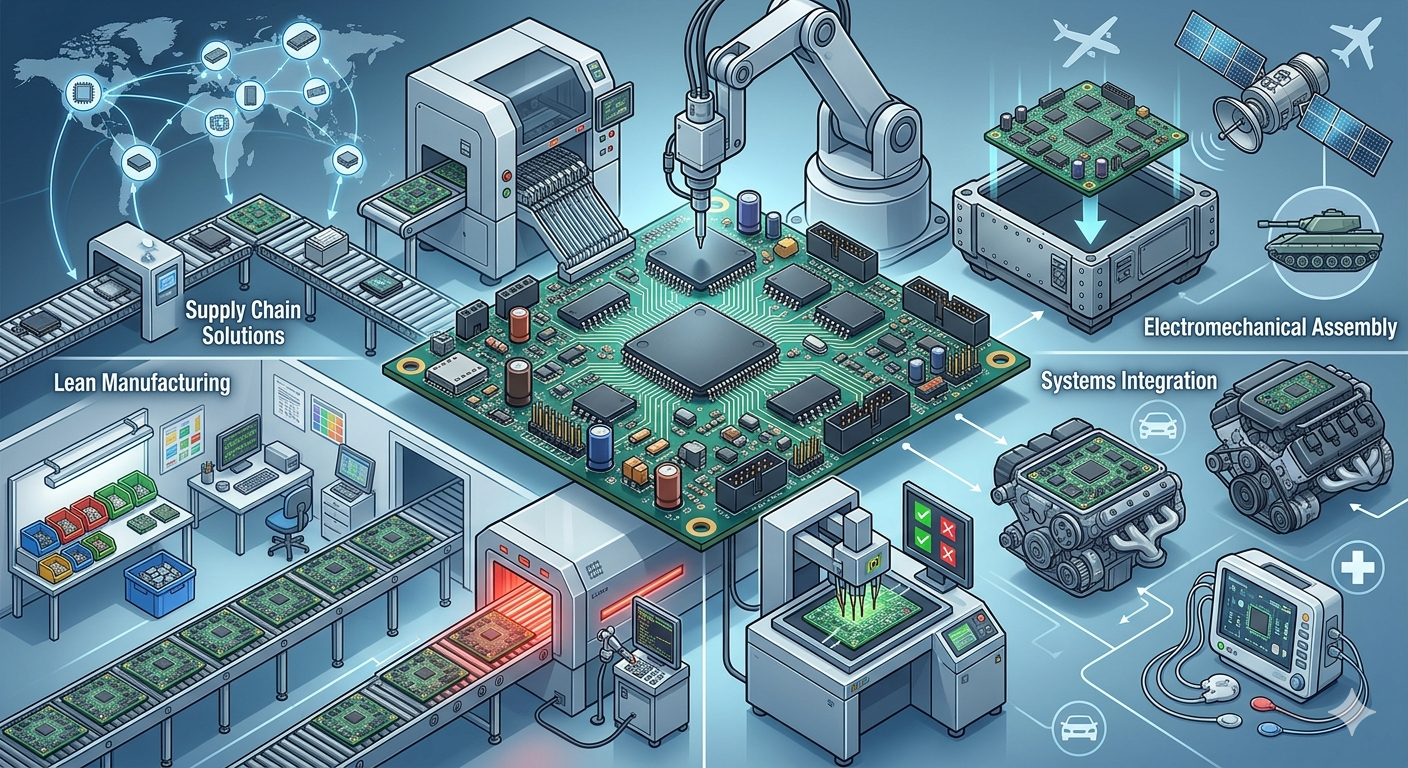
Electronic Manufacturing Services (EMS) for PCBA (Printed Circuit Board Assembly) transform blank boards into functional electronic modules, providing end-to-end production support

ems


Electronic Manufacturing Services

Prototyping Assembly of PCBA

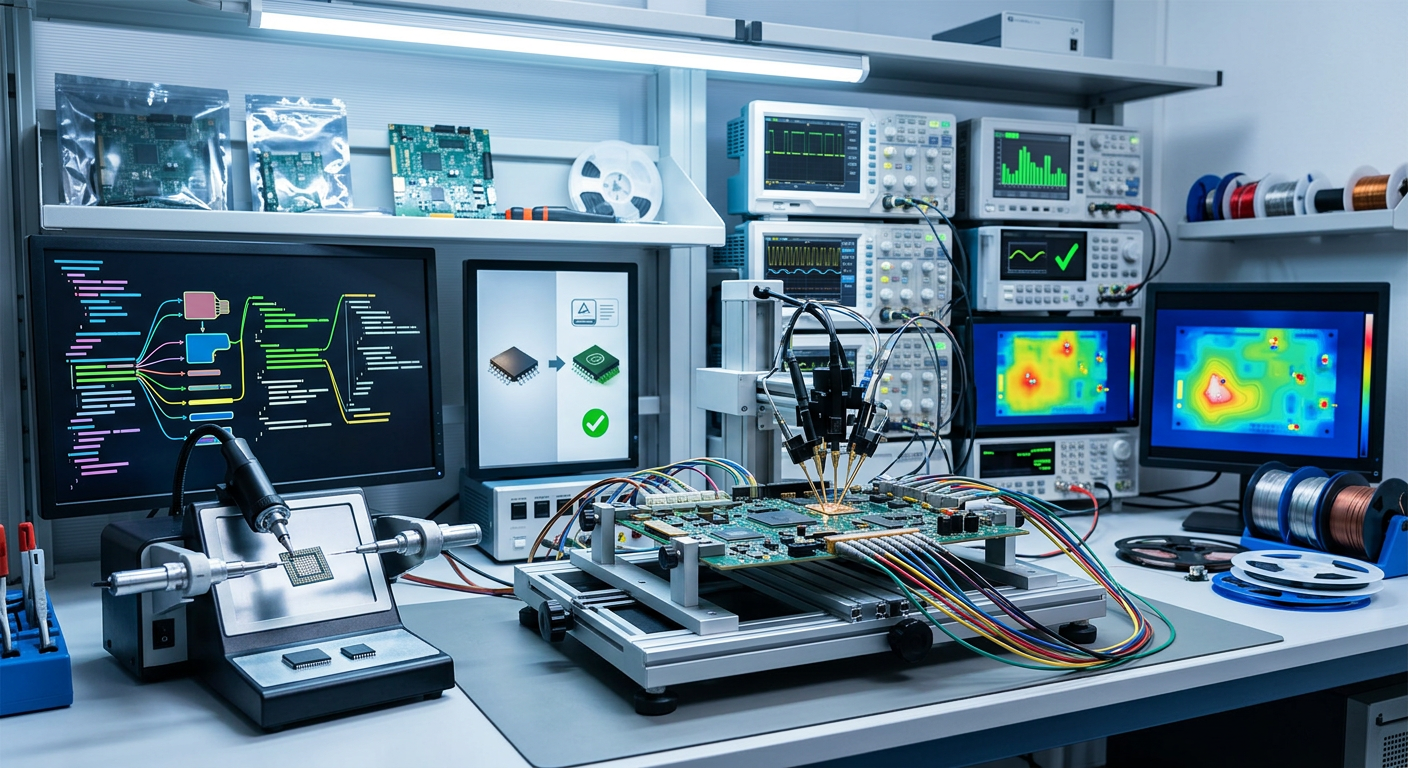
Prototype PCB assembly is the process of soldering electronic components onto a printed circuit board (PCB) prototype. It is a crucial step in the electronics product development process, and it can help with:

  • Design validation: Identifying potential issues and verifying the design's feasibility
  • Quality assurance: Testing the board's quality and reliability
  • Component compatibility: Testing the compatibility of the electronic components
  • Cost-effectiveness: Identifying design issues early in the process
  • Time savings: Reducing the time required for testing, validation, and the overall production process
  • Accelerating product development: Identifying and resolving problems early can help avoid expensive reworks and delays later
  • Refining designs for manufacturability: The prototyping stage allows designers to easily make changes and refine the board layout
Electronic Manufacturing Services of PCBA

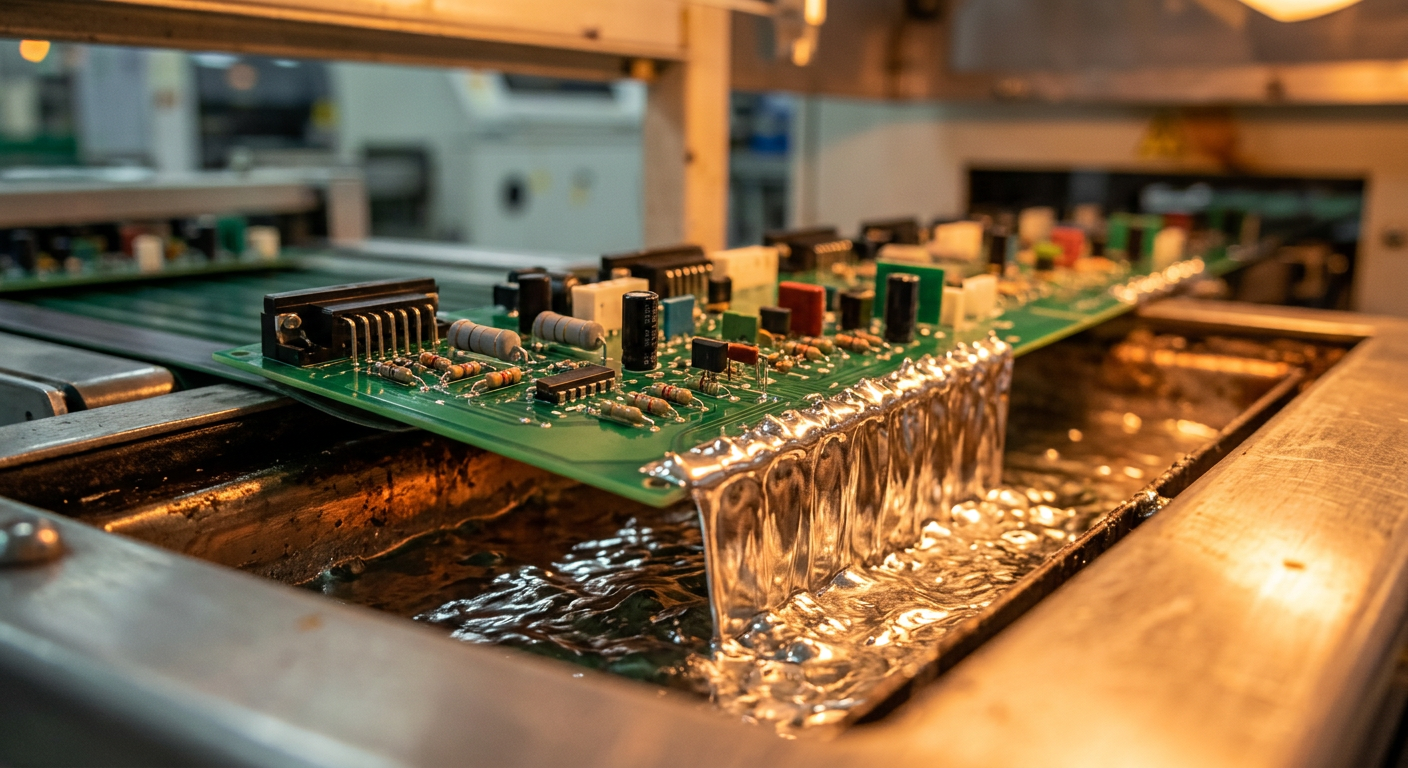
PCBA, or Printed Circuit Board Assembly, is a type of Electronic Manufacturing Service (EMS) that involves assembling electronic components onto a printed circuit board (PCB). The process includes soldering, placing components, and testing the assembly to ensure it meets quality and performance standards.

EMS can also include other services, such as: Supply chain solutions, Lean manufacturing, Systems integration, and Electromechanical assembly.

  • EMS can be used for a variety of products that contain electronic components, including those in the military, aerospace, automotive, and medical industries.
  • Working with a professional PCBA supplier can help improve quality, reduce costs, and speed up time-to-market.

Surface Mount Devices and Through-Hole Devices (SMD & THD)

  • SMD and THD are two different methods of mounting electronic components onto a printed circuit board (PCB):

    — SMD

    • Surface Mount Device is an electronic component that's mounted directly onto the PCB's surface. Pick-and-place machines are typically used to place SMDs on the PCB.

    — THD

    • Through-Hole Device is a component that's mounted by inserting its leads into holes drilled into

    the PCB. The leads are then soldered onto pads or lands on the solder side of the board.

    • THD is still used in some projects because it provides stronger mechanical bonding. However, SMDs have largely replaced THDs in PCB assembly.
  • THT has some disadvantages, including:

    • Increased production costs: Drilling holes increases production costs and time.
    • Limited routing clearance: The holes must go through every layer of the PCB, which limits the available routing clearance.
    • Less reliable soldering: The wave soldering process used for THT components is less reliable than reflow soldering.
  • THT is mainly used for products with high power, high voltage, and special components, such as industrial control equipment and power electronic equipment.

Complete System Assembly

Electronic system assembly services include a variety of steps, such as:

  1. Component placement: Using tweezers or a machine, components are placed on the printed circuit board (PCB).
  2. Soldering: The board is soldered using wave soldering for through-hole components or reflow soldering for surface mount technology (SMT) components.
  3. Inspection and testing: The board is inspected for defects and issues to ensure it meets quality standards.
  4. Packaging and labeling: The final product is packaged and labeled.
  5. Software installation and configuration: The necessary software is installed and configured.
  6. Hardware configuration: The hardware is configured according to specifications. Different manufacturers offer different capabilities and service levels. Some components may need to be purchased from vendors or partners, while others can be purchased off-the-shelf.

Complete System Assembly

BGA Assembly, Reballing & Rework

  • BGA reballing and rework are processes used to repair ball grid array (BGA) components in electronics:
    • — BGA reballing
    • Involves removing and replacing all the soldered balls on a BGA component. This process is often used to fix issues with BGA components, which can lead to equipment malfunction and costly replacements.
  • — BGA rework
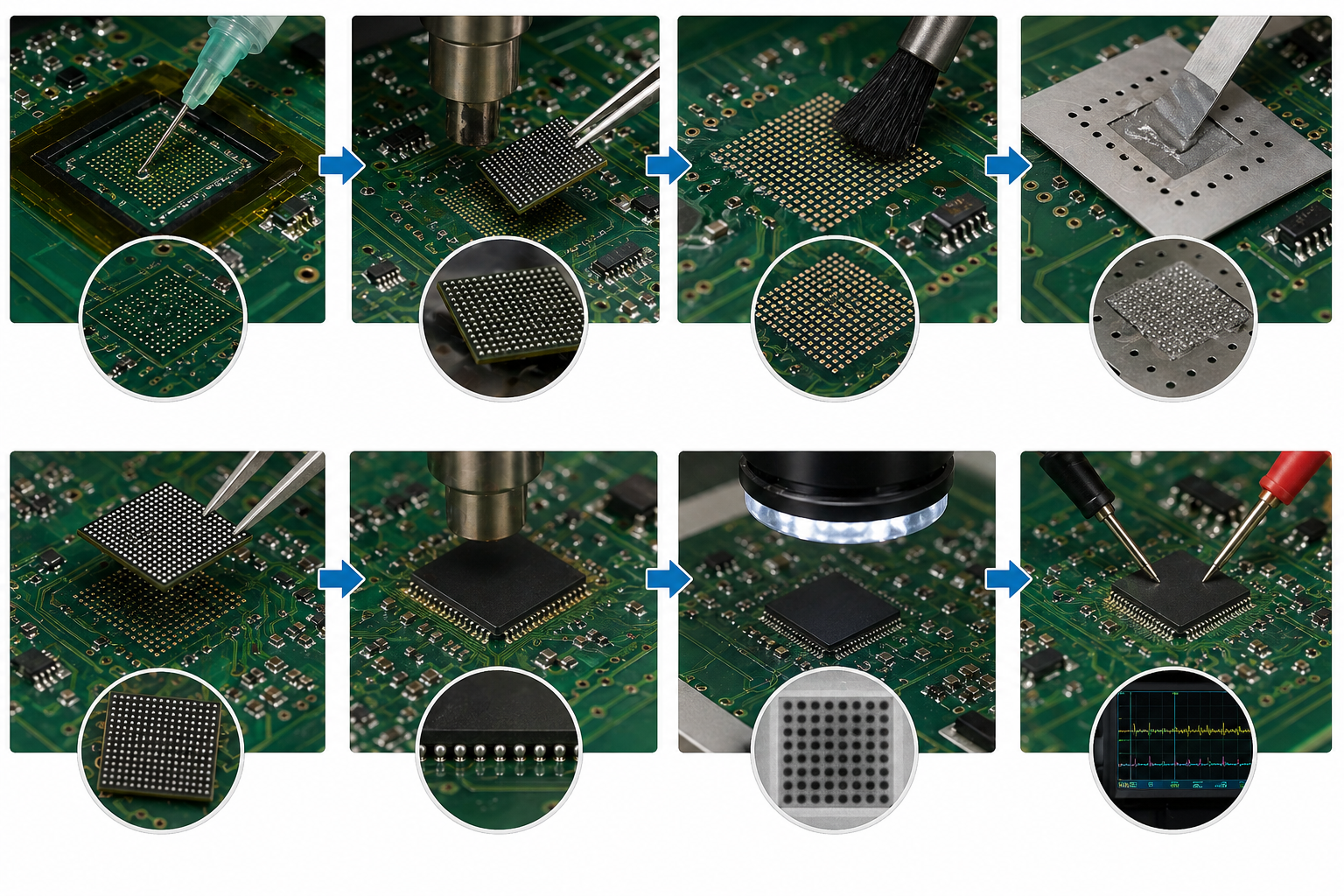
  • Involves removing a defective BGA component, cleaning the board, reballing the replacement component, soldering the new component, and then inspecting and testing it.
  • The BGA rework process typically includes the following steps:
    • Site preparation: Clean the area, protect it from ESD, and apply flux
    • Removal: Heat the solder joints to reflow them, then lift the BGA
    • Reballing: Apply new solder balls using solder paste
    • Replacement: Align and place the new BGA, then reflow it into place
    • Inspection: Visually and by X-ray inspect the solder joints
    • Testing: Perform electrical tests to verify that the component is functioning properly
    • When performing BGA rework, it's important to protect nearby components from heat damage.

Sustaining Services

Services that meet the needs of both customers and society without compromising the environment or future generations. They are designed to consider the social, environmental, and economic impacts of the service throughout its life cycle.

Services that help ensure products are current with regulatory requirements and technology upgrades. They can also help resolve product design problems that arise after launch. Some examples of sustaining engineering services include:

  • Regulatory updates
  • End-of-life product support
  • Risk assessment
  • Verification testing
  • Static and dynamic code analysis

Product & Process

Continuous Product & Process Improvement

Continuous product and process improvement (CPI) is the ongoing process of improving products, services, or processes to make an organization more efficient, innovative, and agile.

Steps you can take to create a continuous improvement cycle:

  1. Map the process and identify issues
  2. Plan process improvements
  3. Implement changes
  4. Review the performance of improvements and repeat
  5. Some basic principles of continuous improvement include: Focusing on customers, Benefiting from employees' ideas, Getting leadership support, Applying incremental changes, and Using data-driven methods
img

Product Logistics Support

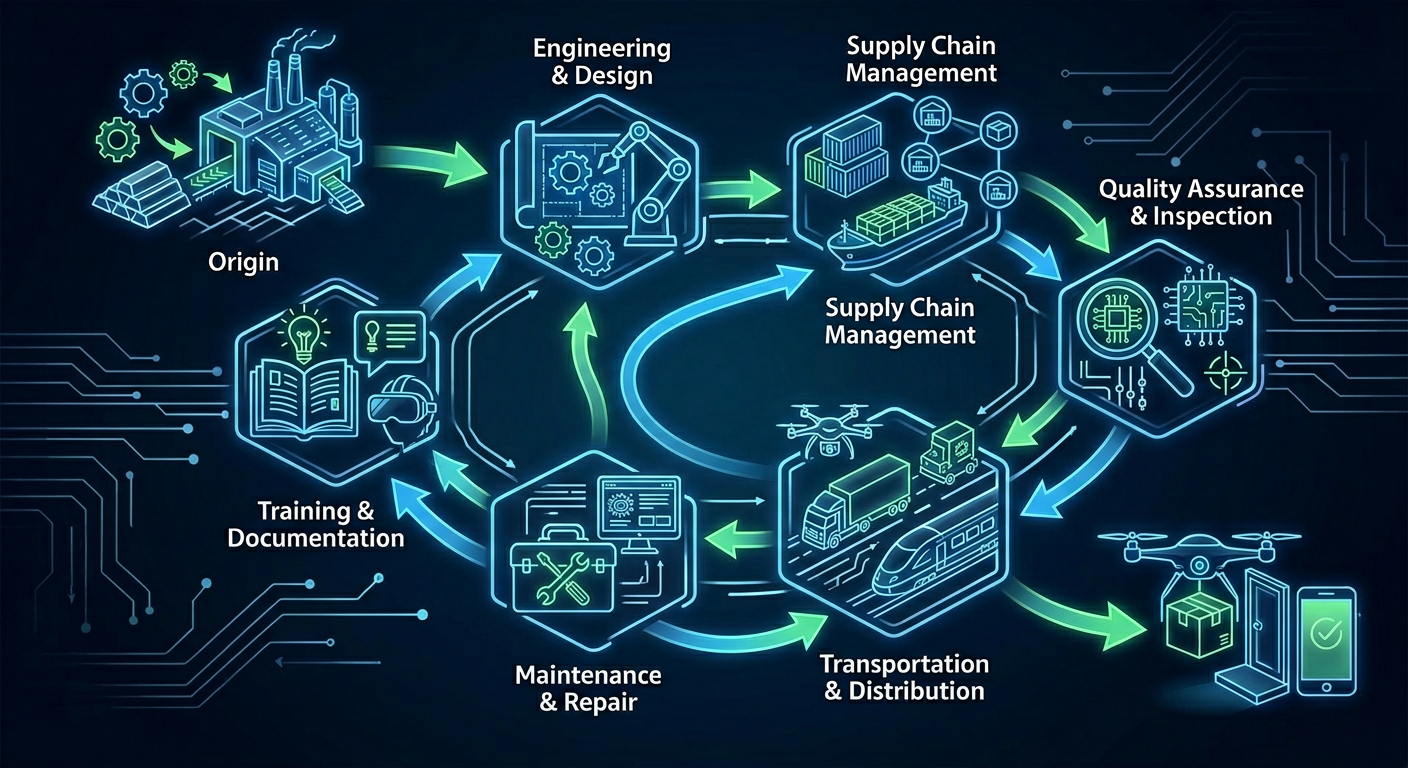
Product logistics support is the management of the flow of goods and services from the point of origin to the point of consumption:

Logistic support concept (LSC) A framework that defines the scope, objectives, and methods for providing logistic support to a product, service, or system. It covers aspects like maintenance, supply, transportation, training, engineering, and quality assurance.

Logistics support activities These activities include planning, coordination, execution, monitoring, and control of the physical, informational, and financial flows of goods and services.

Product logistics This is the management of the flow of things between the point of origin and the point of consumption to meet customer requirements.

Logistics support technologies These include technologies like sensor monitoring and data transmission to optimize the flow of goods and spare parts within a system.

Our Facilities

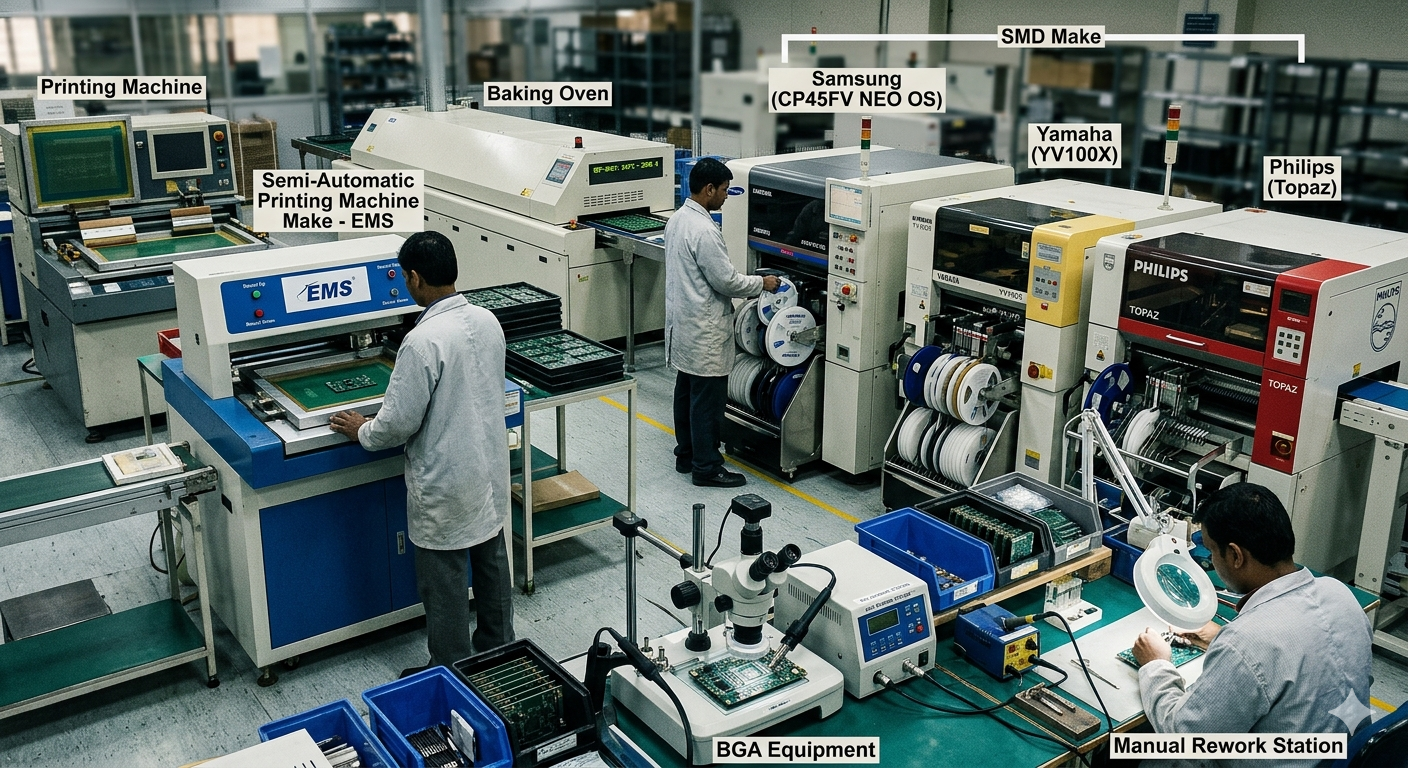
Wave Soldering Equipment

Make - EPS Dual Wave / Single Bath 300 mm Bath Width Leaded Bath.

Re-Flow Equipment

Make - EPS 5 Zone Reflow Chain System.

Baking Oven, Printing Machine

Semi-Automatic Printing Machine Make - EMS Stencil Up & down - Automatic.

BGA Equipment

Manual Rework Station.

SMD - Make

Samsung (CP45FV NEO OS); Yamaha (YV100X); Philips (Topaz)

Work Force

Presently running with 50 Employees.

Floor Area

3000 Square Feet with all necessary Furniture, Safety Equipments, Power Backup, Compressor,etc.

Countact Us

EMS plant 1 unit:

plot no.77U, Hootagalli Industrial survey No. 188 – part of hootagalli village, Kasaba Hobli, Mysore taluk, Mysore-570018

Call Me

+91-9886544192
+91-9141991579

Email Us

info@vrddhii.com